
[ Selected Work · 2023–2026 ]

AI-Powered environmental solutions.

Our research team develops advanced AI systems to solve complex environmental challenges—cleaning contaminated soils, detecting oil spills via satellite, enhancing groundwater governance, and optimising water-energy-food systems. Faster, more accurate, more cost-effective.

Browse projects
WEF Nexus Tool AI for IWRA Research Models Current Projects

[ 01 — Innovative Resource Management ]

The WEF Nexus Tool

wefnexustool.org · w/ Texas A&M University

WEF Nexus Texas A&M University

The Water-Energy-Food Nexus Tool (wefnexustool.org) addresses the critical interconnections between water, energy, and food systems facing global challenges from population growth, economic instability, and climate change.

Initially conceived and designed by the WEF Nexus Research Group at Texas A&M University, our team has developed the current new version of this innovative platform. The tool helps decision-makers develop sustainable resource management strategies by visualising resource requirements across different scenarios and calculating a comprehensive "sustainability index" for each option.

It represents a paradigm shift from conventional single-resource planning to an integrated approach that acknowledges the complex relationships between these essential systems.


WEF Nexus visualisation

[ 02 — Water Resources Intelligence ]

AI Model for IWRA

For the International Water Resources Association

IWRA
IWRA AI model visualisation

We've developed a cutting-edge AI-based model for the International Water Resources Association (IWRA) that significantly enhances their data integration and analytical capabilities. This system allows for more comprehensive assessment of water resource challenges and opportunities across global contexts.

Our model combines machine learning algorithms with specialised data processing techniques to identify patterns, relationships, and trends that might otherwise remain hidden in complex water resource datasets. By automating analysis and generating actionable insights, the system empowers IWRA members to make more informed decisions about water management strategies worldwide.

This collaboration demonstrates how artificial intelligence can transform traditional approaches to global water governance—offering new perspectives and solutions to one of humanity's most pressing resource challenges.

[ 03 — Research Models ]

AI for environmental research.

Soil contamination cleanup research

Cleaning Contaminated Soil with Smart Technology

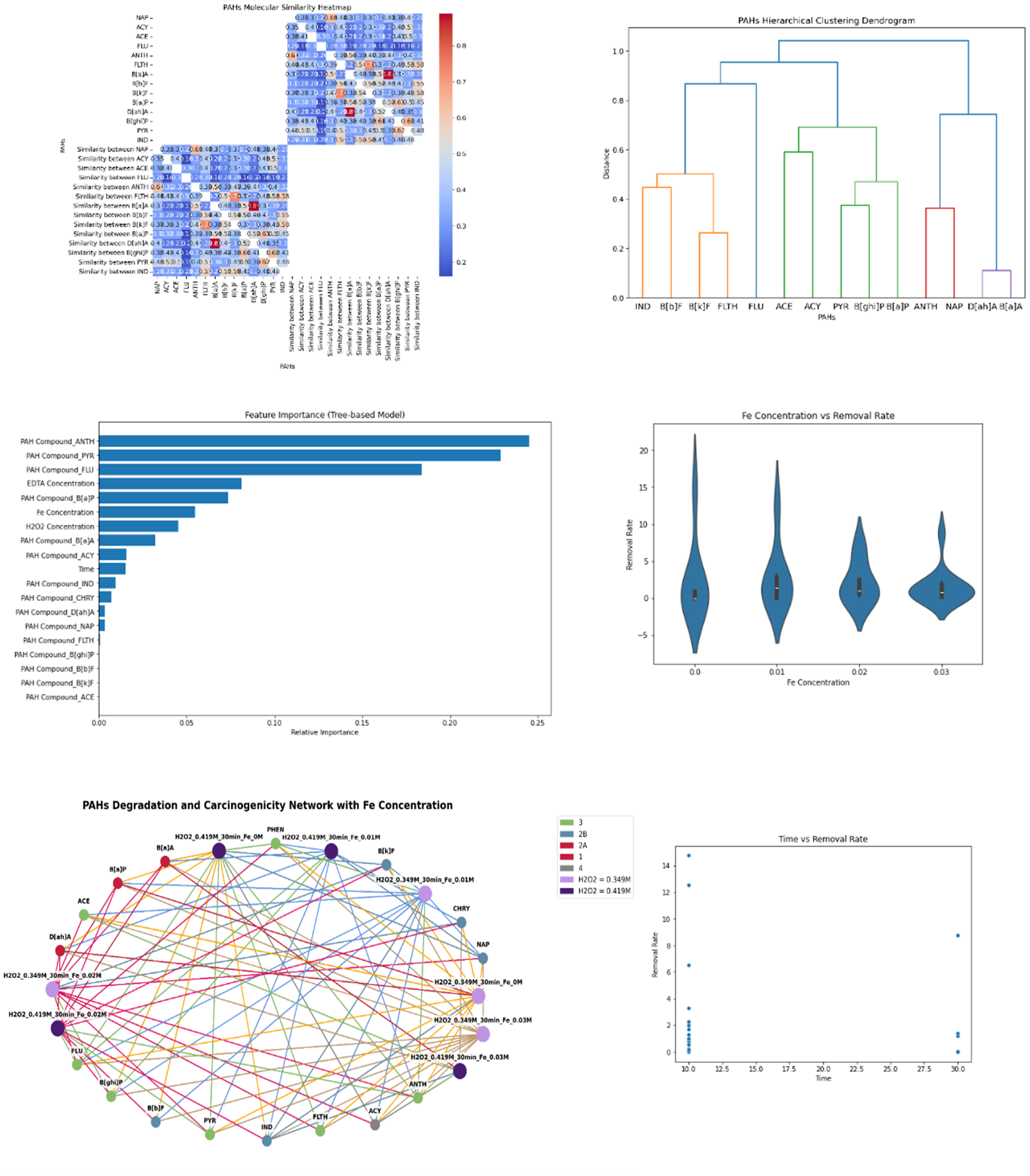
Efficacy of Advanced Fenton-Photo Systems for the Degradation of Petroleum Hydrocarbons Using Complex Neural Networks

Our research uses artificial intelligence to make soil cleanup more effective. We developed machine learning models that predict the best way to remove harmful chemicals from soil with over 90% accuracy.

By analysing how different chemicals break down, we discovered the optimal recipe of treatment ingredients to clean contaminated soil. Our smart system learns which approach works best for each pollutant—faster cleanup, less waste.

Oil spill satellite imagery Satellite oil detection map

Satellite Oil Spill Detection Using AI

Integrating Neural Network Approaches with Remote Sensing for Detection and Prediction of Oil Contamination

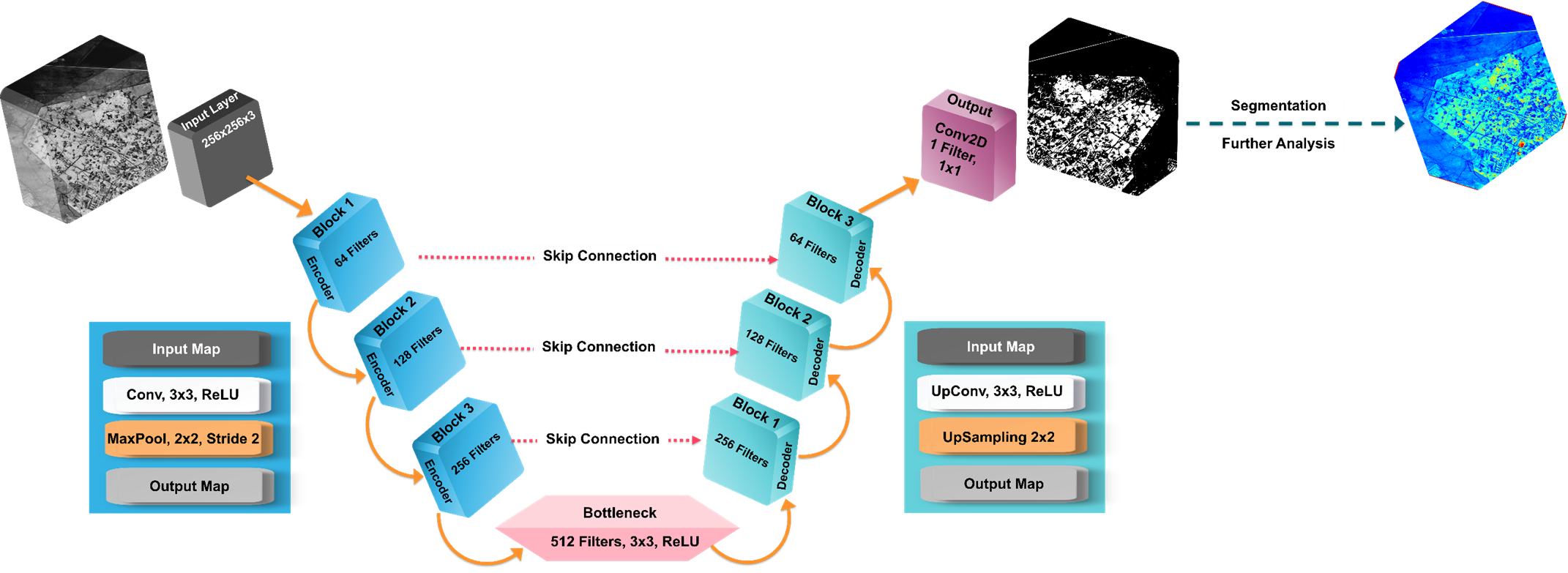
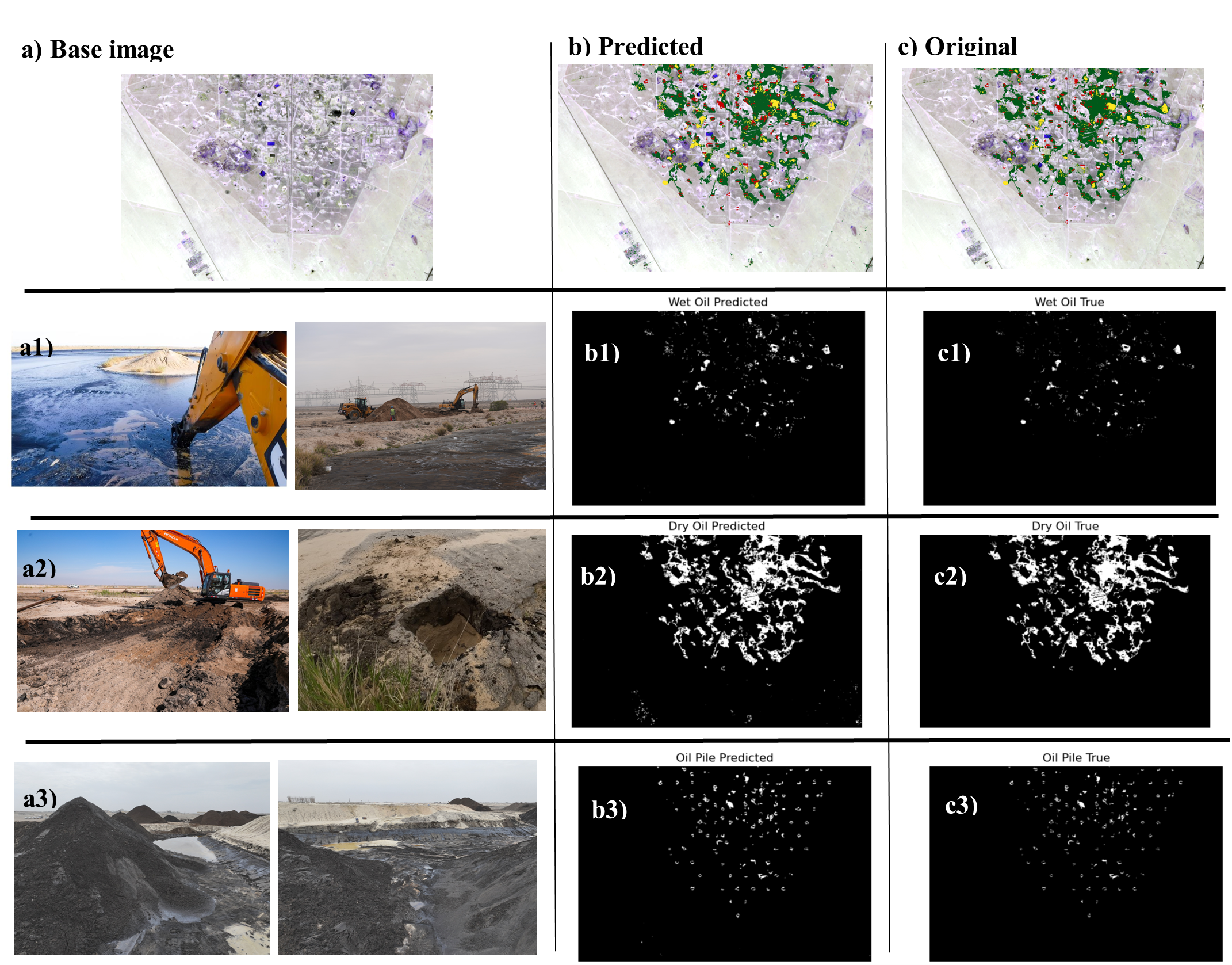
Our research uses AI to detect and monitor oil contamination in soil from satellite images. We developed a neural network model that analyses multispectral satellite imagery to identify different types of oil contamination with over 97% accuracy.

By combining AI with remote sensing, we can quickly map large areas affected by oil spills—distinguishing between wet oil lakes, dry oil lakes, and oil-contaminated piles. Much faster and more cost-effective than traditional ground sampling.

Our system also analyses how environmental factors like soil moisture and pH affect the spread of contamination, helping prioritise cleanup efforts where they're most needed.

Vegetation monitoring with AI

AI-Powered Vegetation Monitoring in Oil-Contaminated Areas

Enhancing Monitoring and Prediction of Vegetation Coverage through AI-Integrated Remote Sensing

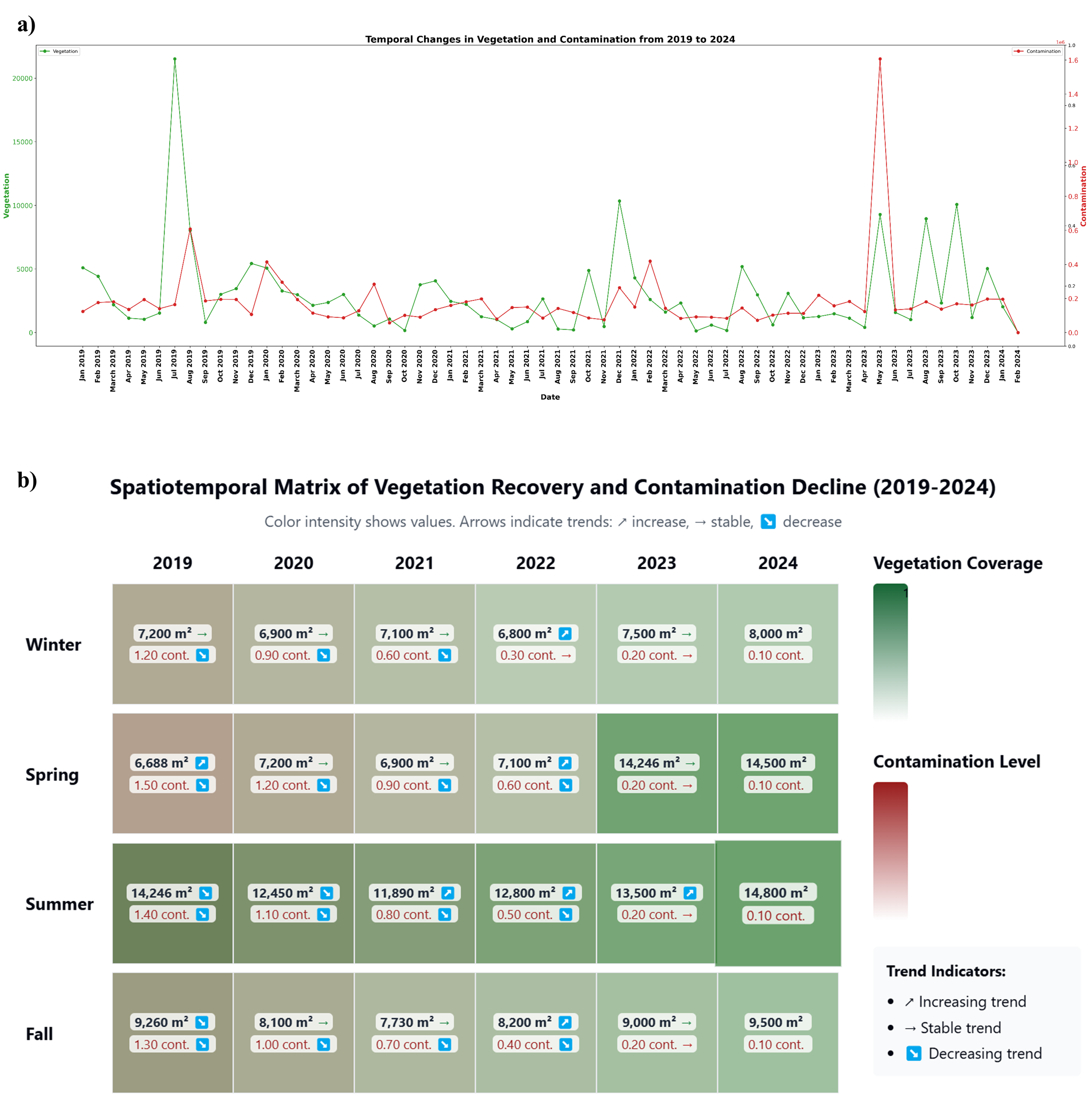
Our research uses AI to transform how we monitor plant growth in areas affected by oil spills. A machine learning system that accurately detects and tracks vegetation recovery in Kuwait's oil-contaminated deserts by analysing satellite images.

Combining deep learning with specialised vegetation analysis, our technology distinguishes healthy plants from stressed ones with 89% accuracy—even during dust storms. This helps environmental managers track ecosystem recovery after cleanup efforts.

Our system revealed fascinating patterns: vegetation growth doubled after soil cleanup, and seasonal patterns shifted measurably. A powerful new way to monitor environmental restoration.

AI-powered soil contamination research

AI-Powered Research on Soil Contamination

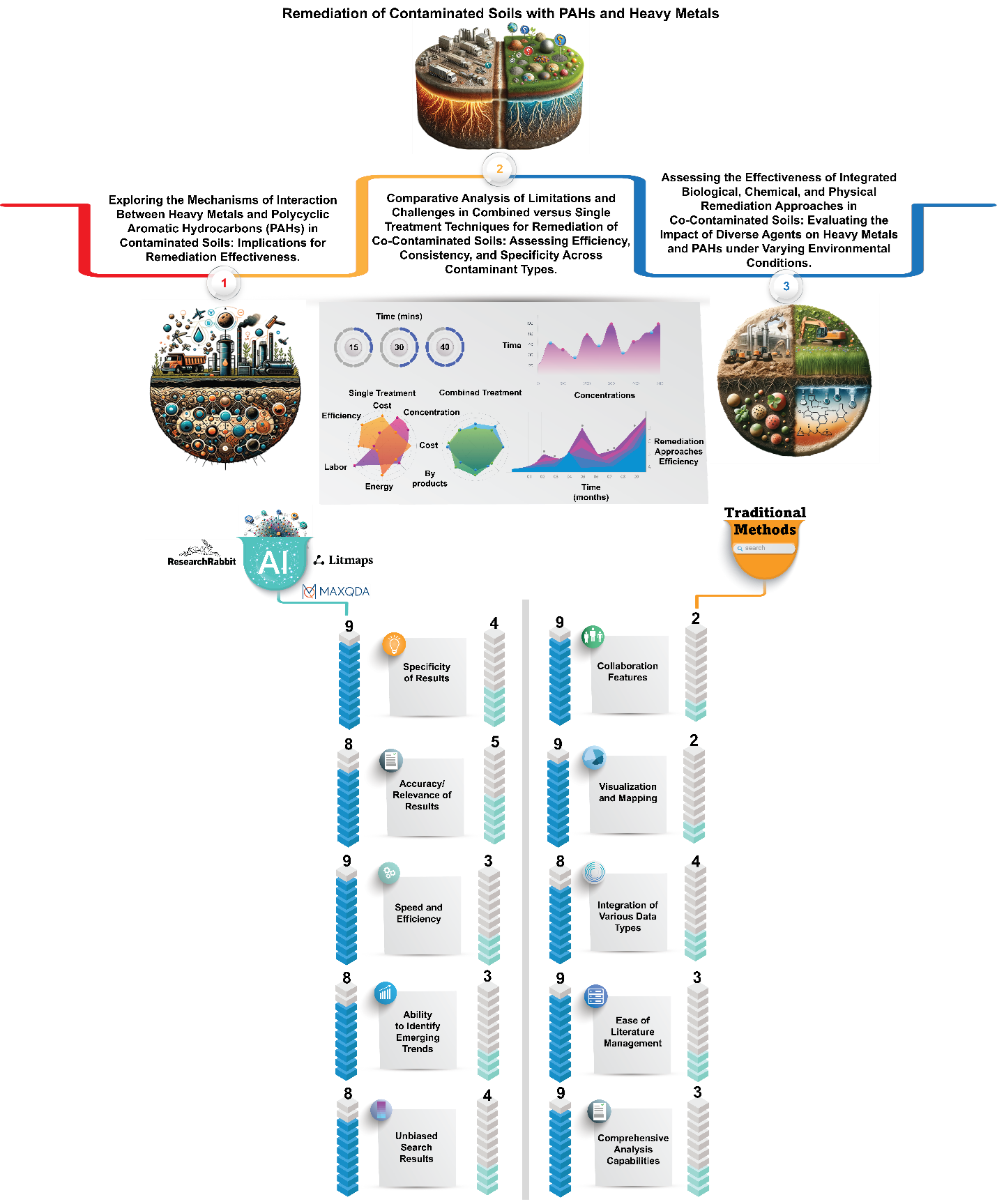
Comprehensive Systematic Review on Remediation of Contaminated Soils with PAHs and Heavy Metals

Our research uses AI to solve a complex environmental challenge: cleaning up soils contaminated with both oil pollutants and heavy metals. We leverage AI tools like Litmaps and ResearchRabbit to analyse thousands of scientific papers and identify the most effective remediation strategies.

By sifting through massive amounts of research data, we discovered key insights about how oil pollutants and heavy metals interact in soil—and which cleanup methods work best for these challenging sites. The AI analysis revealed that combined biological treatments (plants and microorganisms together) are particularly effective.

This technology-driven approach dramatically speeds up environmental research, providing a roadmap for using AI to tackle urgent environmental problems with precision.

Ashkanani, Z., Mohtar, R., Al-Enezi, S., Smith, P. K., Calabrese, S., Ma, X., & Abdullah, M. (2024). AI-assisted systematic review on remediation of contaminated soils with PAHs and heavy metals. Journal of Hazardous Materials, 468, 133813.
doi.org/10.1016/j.jhazmat.2024.133813

[ 04 — In Progress ]

Current research projects.

AI-Enhanced Health Assessment for WEF Nexus Systems

We're developing an advanced AI model that integrates critical health metrics into Water-Energy-Food (WEF) Nexus frameworks. This approach provides decision-makers with a more comprehensive understanding of how resource management affects human health—enabling more balanced and sustainable policies.

AI-Powered Groundwater Governance Analysis

In collaboration with the Bush School of Government and Public Service at Texas A&M University, we've created a specialised AI tool that compares groundwater management approaches across states. The system analyses variations in laws, regulations, definitions, and interpretations—helping policymakers identify best practices in groundwater governance.